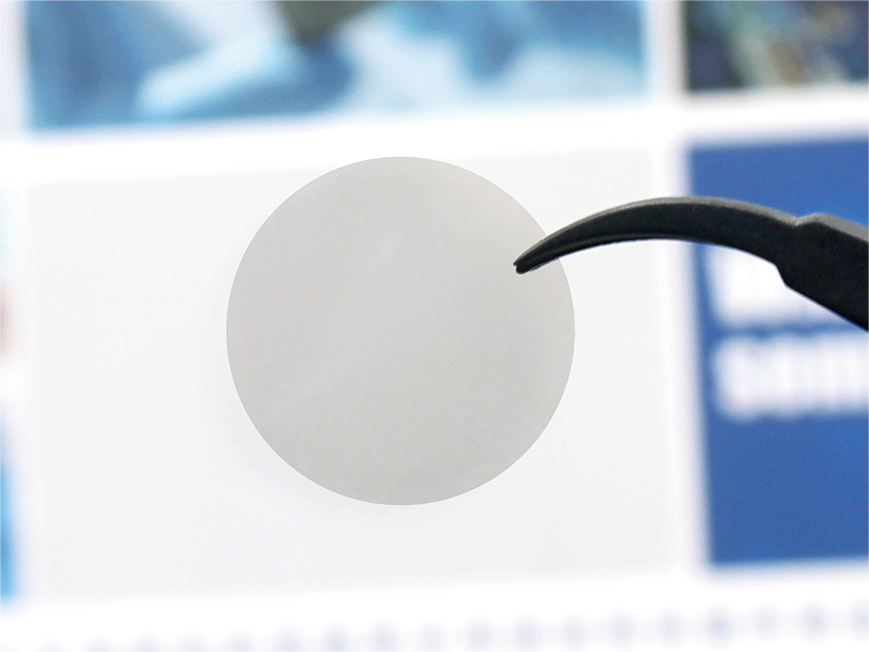
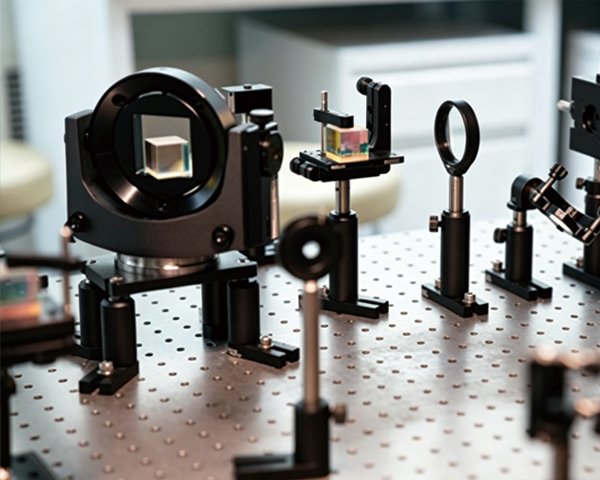
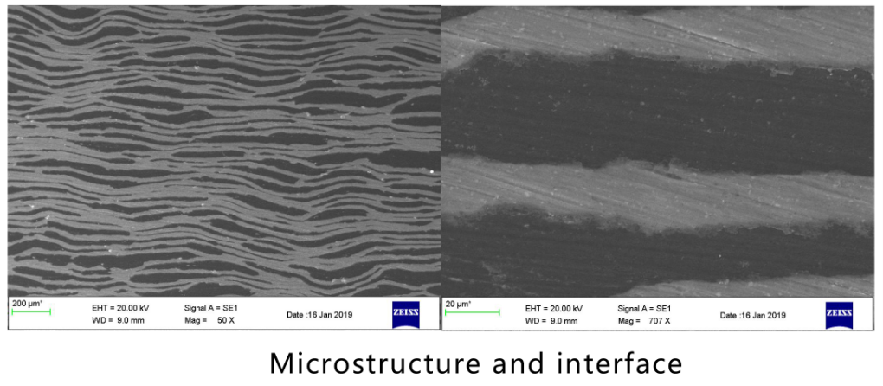
The power consumption of a single GPU chip has now exceeded 1400W, and is projected to reach over 2000W by 2027, with a heat flux density exceeding 1000W/cm². Traditional copper, aluminum, and silicon-based heat dissipation materials are approaching their performance limits. Against this backdrop, diamond heat sinks, with their unparalleled thermal conductivity, have become a core technological support for overcoming the chip's "thermal barrier," reshaping the high-end heat dissipation industry landscape.
By directly bonding diamond substrates to chips, the maximum junction temperature of the chip can be reduced by 24.1℃, and the thermal resistance by 28.5%. Furthermore, a composite heat dissipation system combined with a microchannel structure can drastically reduce the junction temperature of GaN devices from 676℃ to 182℃. For AI servers with single-rack power consumption leaping to 100kW, the cold plate liquid cooling system integrated with diamond heat sinks improves heat dissipation efficiency by 3 times, and the PUE of the immersion liquid cooling solution can be as low as 1.03, saving over one million yuan in electricity costs annually.

 闽ICP备2021005558号-1